

Wednesday, March 4, 2026 - 12:00pm to 1:00pm
Global Discovery Series: A Flood of Pictures
Co-sponsored by Penn Press & Penn Arts & Sciences
REGISTER HERE
When and how did pictures begin to permeate everyday lives in the United States? What happened to those daily lives when they did? And what happened to pictures in the process? Join Professor Michael Leja for a conversation about his new book A Flood of Pictures: The Formation of a Picture Culture in the United States. The book traces the beginnings of a transformation in cultural life in the US: when widespread circulation of pictures reshaped a culture accustomed to printed and spoken words. In the three decades before the Civil War, the ordinary experiences of a large segment of the population came to include pictures of many kinds, including illustrations in books, pamphlets, and newspapers; photographs on cards; full-sheet printed pictures collected in scrapbooks or albums or hung on walls; posters and broadsheets; spectacular paintings displayed in theatrical venues; and more. Pictures supplemented verbal texts—and in some cases overshadowed them—for conveying news and information; portraying people, places, and events; focusing public discourse; selling things; educating and instructing; generating excitement and aesthetic gratification; promoting and disguising political agendas; shaping social identities; and building and undermining social bonds
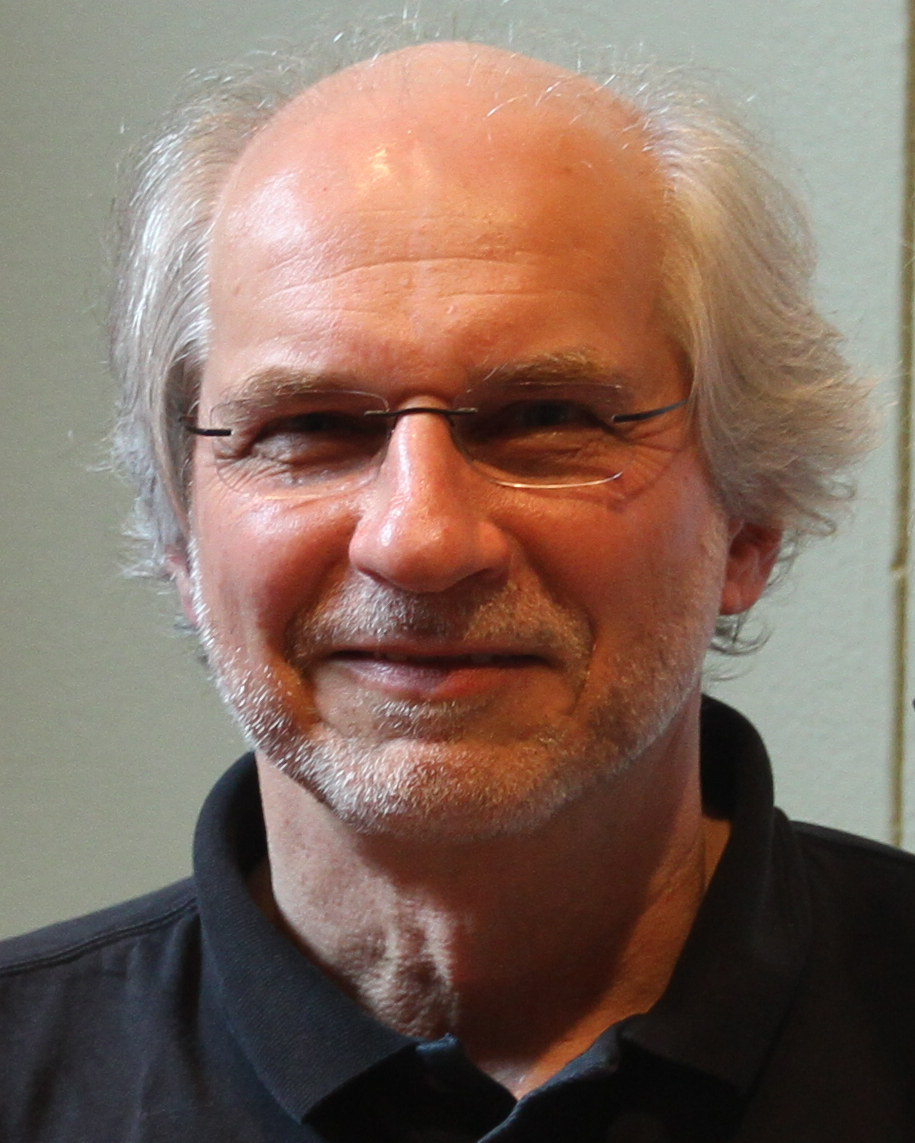
Michael Leja is James and Nan Wagner Farquhar Professor Emeritus of History of Art at the University of Pennsylvania. He is currently Distinguished Scholar in Residence at the Lauder Research Center for Modern Art, Metropolitan Museum of Art, New York for 2025 and 2026. Prior books include Looking Askance: Skepticism and American Art from Eakins to Duchamp (2004), which won the Modernist Studies Association Book Prize in 2005, and Reframing Abstract Expressionism: Subjectivity and Painting in the 1940s (1993), awarded the Charles Eldredge Prize for Distinguished Scholarship in American Art from the Smithsonian American Art Museum. His research has been supported by fellowships from the Guggenheim Foundation, the National Endowment for the Humanities, the American Council of Learned Societies, the Institut National d'Histoire de l'Art (Paris), the Getty Grant Program, and the Clark Art Institute. In 2025 he won the College Art Association Award for Distinguished Teaching in Art History.